Ayurvedic Gut Health: The Complete Guide to Supporting Digestion Naturally
Your gut is not just about digestion. In Ayurveda, the gut is the root of wellness — the place where energy is created, immunity is built, and balance is maintained. When digestion works well, everything works well. When it doesn't, almost nothing does.
The Ayurvedic Foundation: Agni, the Digestive Fire
Ayurveda's central concept for digestion is Agni — the digestive fire. When Agni burns strong and steady, food is fully transformed into nourishment. When it's weak, erratic, or overpowered, food can contribute to Ama — undigested metabolic residue that accumulates in the body's channels over time.
Ayurveda doesn't address symptoms like bloating, acidity, or constipation in isolation. It asks: what state is your Agni in? And what's disrupting it?
The four states of Agni
- Sama Agni — balanced, regular digestion. The goal.
- Vishama Agni — variable, erratic, Vata-driven. Gas, bloating, alternating constipation and loose stools.
- Tikshna Agni — sharp, intense, Pitta-driven. Acidity-pattern symptoms, heartburn patterns, inflammatory responses.
- Manda Agni — slow, sluggish, Kapha-driven. Post-meal heaviness, fatigue, slow metabolism.
Why Gut Problems Are So Common in Urban India
Modern Indian life stacks multiple Agni disruptors simultaneously — which is exactly why ayurvedic medicine for digestion is one of the fastest-growing health searches in India today.
- Tea or coffee on an empty stomach — one of the most widespread Agni disruptors
- Skipped or rushed breakfast
- Irregular lunch from canteens or delivery apps, eaten at a desk
- Late heavy dinners at 9–10pm when Agni is at its daily low
- Ultra-processed snacks, constant grazing, poor food combinations
- Chronic stress and under-7-hour sleep — both can dampen Agni

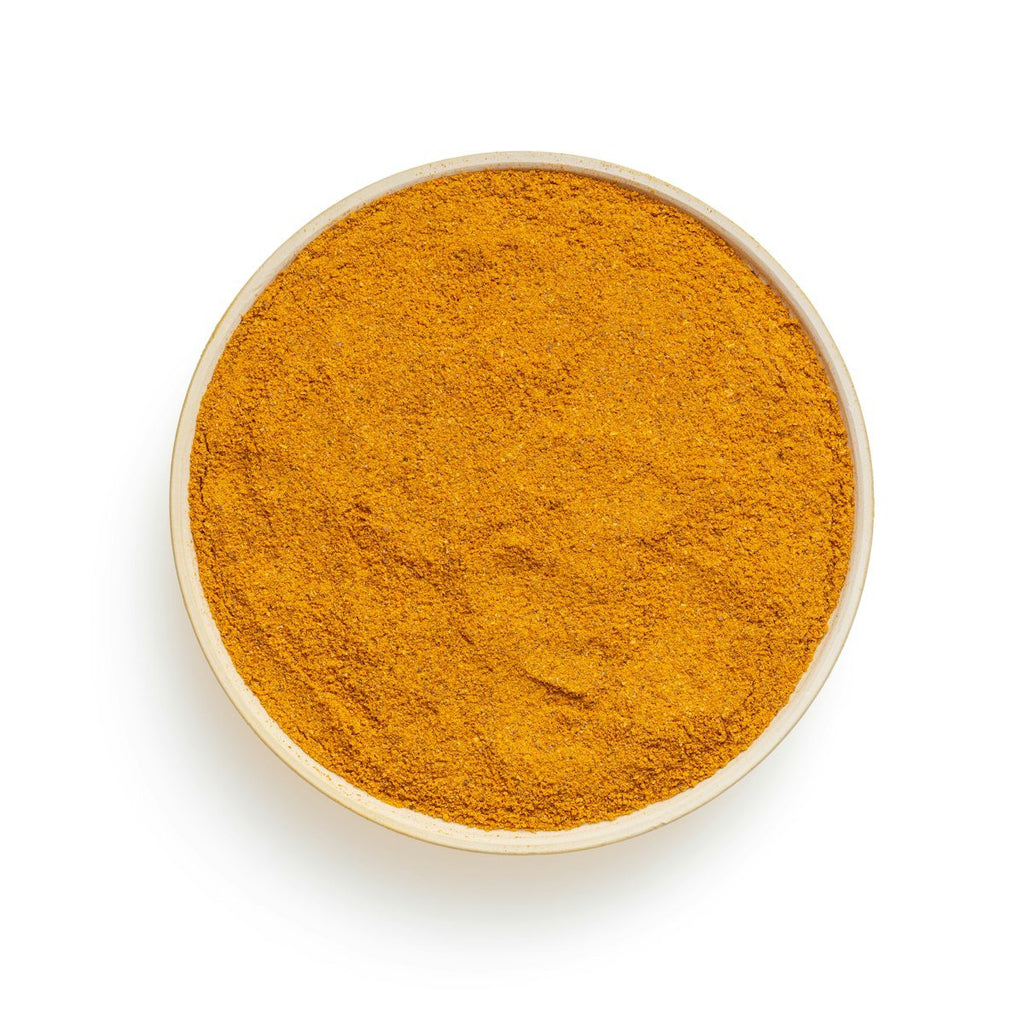
Jeera, ajwain, saunf, haldi — everyday Indian kitchen spices that are also Ayurveda's most traditionally valued digestive supports.
Common Gut Patterns and Their Ayurvedic Cause
Bloating and gas after meals
Often Vishama Agni (Vata). Cold food, irregular meals, and stress can contribute to incomplete digestion — fermentation occurs instead.
Chronic acidity-pattern symptoms
Tikshna Agni (Pitta). The digestive fire is too sharp — typically aggravated by spicy food, coffee, alcohol, and late meals.
Constipation
Primarily a Vata pattern — dryness, poor timing, low fibre. The large intestine (primary seat of Vata) can become contracted and dry.
Ayurvedic approach for IBS-pattern symptoms
A mixed Vata-Pitta pattern, strongly linked to the gut-brain axis. The Ayurvedic approach for IBS-pattern symptoms focuses on supporting both the gut and the nervous system together — rather than addressing one symptom in isolation.
Key Ayurvedic Herbs for Gut Support
These herbs are traditionally used to support Agni, address Ama, and maintain healthy gut function. They are also the core ingredients in Ayutra CoreCalm.
- Triphala (Haritaki + Bibhitaki + Amalaki) — traditionally supports bowel regularity and the gut lining; observed in research as a confirmed prebiotic.
- Bael (Aegle marmelos) — traditionally supports a comfortable gut and bowel regularity; classically associated with colon support.
- Haldi / Turmeric (Curcuma longa) — traditionally supports the body's natural inflammatory response and bile flow.
- Ajwain (Trachyspermum ammi) — a fast-acting Vata-pacifier traditionally used for gas and bloating comfort. Ideal for Vishama Agni patterns.
- Jeera / Cumin (Cuminum cyminum) — traditionally supports balanced Agni without overheating. Suitable for daily use. Jeera water every morning is a classical Ayurvedic practice.
- Haritaki (Terminalia chebula) — "king of herbs." Traditionally supports bowel regularity and Ama-clearing; particularly valued for long-standing constipation patterns.

Make lunch your largest meal. Moong dal khichdi is Ayurveda's go-to gut-reset food — easy to digest and balancing for all Agni types.
Ayurvedic Daily Routine to Support Digestion
- Morning: Warm water on waking. 10-min walk before breakfast. No caffeine on an empty stomach.
- Breakfast: Light and warm — oats, poha, upma. Preferably never skipped.
- Lunch: Your main meal. Eaten seated, without screens. A short walk after supports digestion.
- Afternoon: Chaas (buttermilk with jeera) beats tea and biscuits as a mid-afternoon option.
- Dinner: Before 8pm. Light — khichdi, soups, soft sabzi. Not the heaviest meal of the day.
- Sleep: Before 11pm. Poor sleep can affect the next morning's Agni.
Recommended for Gut Support
Ayutra CoreCalm — Ayurvedic Gut Health Capsules
8 classical Ayurvedic herbs — Bael, Haldi, Jeera, Triphala, Haritaki — in one AYUSH-approved, WHO-GMP-certified capsule. Designed to support the pattern behind common gut concerns, not just a single symptom.
✓ AYUSH Approved✓ WHO-GMP Certified✓ 60 Capsules / ₹799
Shop CoreCalm → ₹799Frequently Asked Questions
What is the most supportive Ayurvedic herb for digestion in India?
It depends on your Agni pattern. Triphala suits most people as a baseline. Jeera and ajwain are traditionally used for Vata-type gas and bloating. Saunf and coriander suit Pitta-type acidity patterns. For a comprehensive multi-pattern approach, Ayutra CoreCalm combines 8 classical gut herbs in one AYUSH-certified formulation.
Can Ayurveda support IBS-pattern symptoms?
Ayurvedic approaches address the root Vata-Pitta pattern and gut-brain axis. Many users report noticeable changes over 4–8 weeks of consistent herbal support combined with dietary and routine modifications. If you have a clinical IBS diagnosis, work alongside your gastroenterologist.
How long do Ayurvedic gut supplements take?
Acute pattern symptoms (gas, bloating) may settle within days. Deeper patterns (IBS-pattern, chronic acidity-pattern, constipation) generally need 4–8 weeks of consistent use alongside dietary changes.
What is Ama and how do I know if I have it?
Ama is undigested metabolic residue. Common signs: thick white tongue coating in the morning, heavy feeling after meals, persistent fatigue, and sluggish digestion. Triphala and Haritaki are traditionally used for Ama-clearing.
Is Ayurvedic medicine for digestion safe to take daily?
AYUSH-approved, GMP-certified formulations with full ingredient transparency are generally well-tolerated for daily use in healthy adults. Always check that each herb and quantity is disclosed on the label. If pregnant, breastfeeding, on prescription medication, or managing a pre-existing condition, consult your doctor first.
Disclaimer: This article is for informational and educational purposes only and is not intended to substitute professional medical advice, diagnosis, or treatment. Consult qualified healthcare providers before beginning new wellness regimens, especially if pregnant, nursing, taking medications, or managing pre-existing conditions. Ayurvedic formulations support overall well-being and are not intended to diagnose, treat, cure, or prevent any disease.