What Delhi's Air Pollution Is Doing to Your Lungs — And How Ayurveda Responds
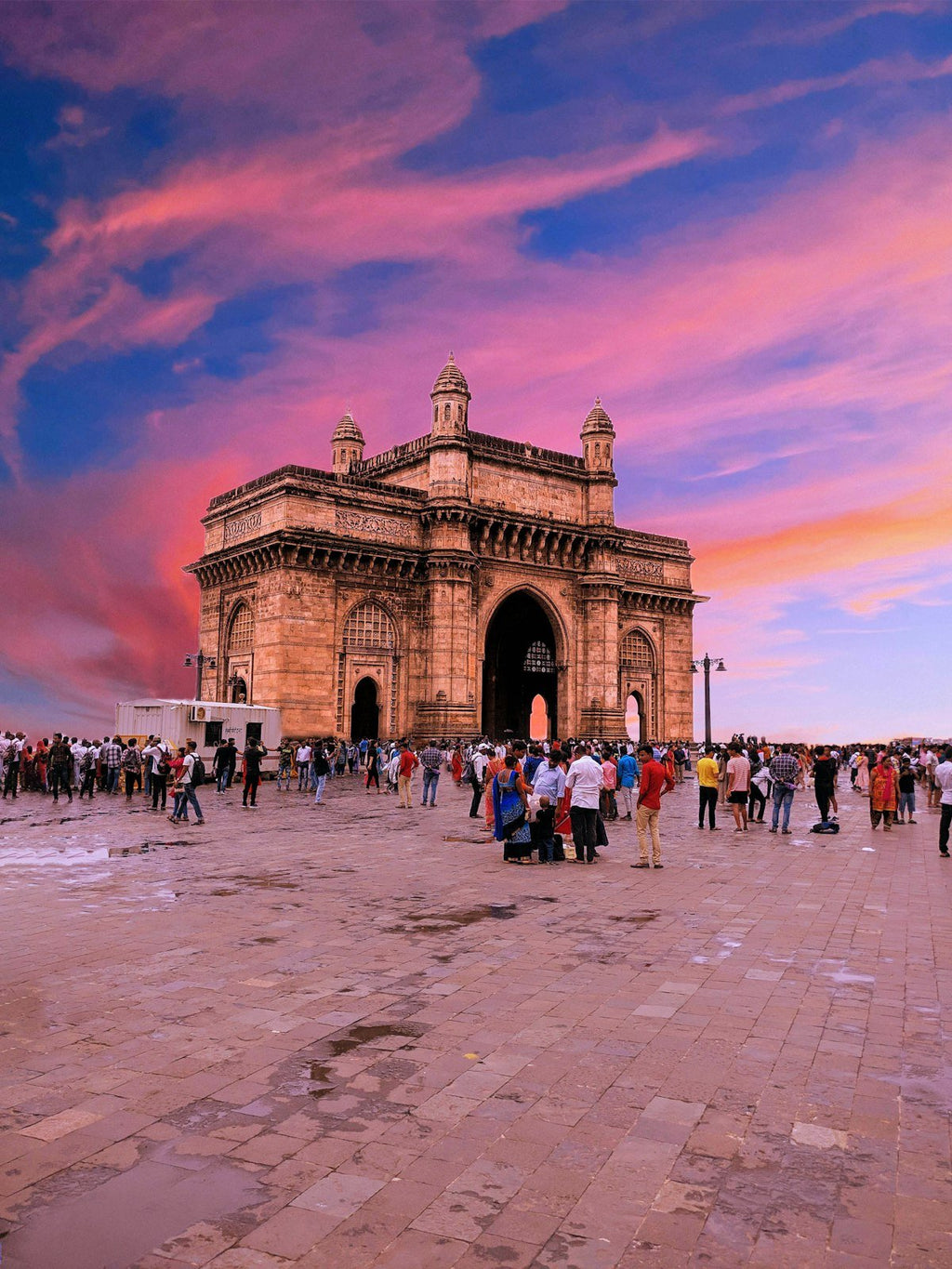
Delhi's annual average AQI regularly exceeds 150 — a level classified as "unhealthy for all groups" by global standards. But even on "moderate" days, what's entering your alveoli is doing slow, cumulative damage. Ayurveda identified this threat thousands of years before the term PM2.5 existed — and built a comprehensive system to counter it.
What AQI Actually Does Inside Your Body
Air Quality Index numbers are abstract until you understand the mechanism. PM2.5 particles — those 2.5 micrometres or smaller — are the real threat. They are small enough to bypass your nose's filtering system, travel past your trachea and bronchi, and lodge directly in the alveoli: the tiny air sacs where oxygen-to-blood exchange happens.
Once there, your immune system mounts an inflammatory response. Macrophages (lung-cleaning cells) attempt to engulf the particles but become overwhelmed with chronic exposure. The result is persistent low-grade inflammation, oxidative stress in bronchial tissue, and — over months and years — measurable reduction in lung capacity. Studies from India's own National Institute of Occupational Health have linked chronic PM2.5 exposure to increased risk of chronic obstructive pulmonary disease (COPD), even in non-smokers.
PM10 particles — dust, construction debris, road grit — cause a different problem: they trigger mucus hypersecretion in the upper airways. Your body produces mucus as a trap. When the load exceeds what cilia can clear, it accumulates, creating a breeding ground for secondary bacterial and viral infections. That recurring winter "cold" that never quite leaves? Often it is not a cold at all.
The Ayurvedic Lens: Pranavaha Srotas and the Ama Problem
Ayurvedic anatomy describes the body as a network of srotas — channels through which prana, nutrients, and waste move. The respiratory system is governed by Pranavaha srotas, the channels of vital breath. Their root (moola) is in the heart and the great vessels of the chest; their pathways are the bronchial tree and the lung tissue.
When Pranavaha srotas become obstructed — by Ama (toxic metabolic residue) or by excess Kapha dosha — the movement of Prana is impaired. Symptoms include chest heaviness, productive cough, shortness of breath on exertion, morning congestion, and fatigue disproportionate to activity. Sound familiar to any Delhi resident?
Chronic pollution exposure is, in Ayurvedic terms, a direct cause of Pranavaha sroto-dushti (channel contamination). The particulates themselves act as Ama — foreign material that the body cannot metabolise — and they provoke Kapha aggravation through their cold, heavy, sticky qualities. The inflammatory response they trigger further depletes Ojas, the subtle essence of immunity and vitality.
Why Urban Indians Face a Triple Burden
Pollution alone is damaging enough. But India's urban demographic adds two compounding stressors that make respiratory vulnerability far worse than the AQI number suggests.
Processed food and weak Agni: When digestive fire (Agni) is weakened by irregular meal times, heavily processed snacks, and low-fibre diets, Ama accumulates systemically — not just in the gut. This systemic Ama makes every tissue, including the lungs, more reactive to external insults. A person with strong Agni and clean gut channels tolerates the same AQI with far less respiratory fallout than someone with sluggish digestion.
Chronic psychological stress: Stress provokes Vata aggravation. Vata in the respiratory system means spasmodic cough, dry airways, hypersensitivity, and disrupted breathing rhythm. Under stress, the nervous system also downregulates mucociliary clearance — the body's own mechanism for sweeping particles out of airways — leaving more PM2.5 lodged for longer.

Vasaka, Tulsi, Mulethi, and Pippali — the four pillars of Ayurvedic respiratory defence, each working through a distinct mechanism on pollution-damaged airways.
The Herbs That Counter Pollution Damage
Ayurveda's respiratory pharmacopoeia is extensive, but three herbs are particularly targeted at pollution-induced lung damage.
- Vasaka (Adhatoda vasica) — A potent bronchodilator and mucolytic. Its primary alkaloid, vasicine, stimulates bronchial secretions to become thinner and more mobile — directly counteracting the thick, sticky mucus that pollution triggers. Also has demonstrated antimicrobial activity against secondary respiratory pathogens.
- Mulethi (Glycyrrhiza glabra) — An adaptogen and anti-inflammatory that soothes inflamed bronchial mucosa. Glycyrrhizin, its active compound, modulates the cortisol pathway, reducing the stress-triggered component of airway inflammation. Also acts as a demulcent — coating and protecting irritated airway tissue.
- Tulsi (Ocimum sanctum) — An immunomodulator and adaptogen that works best as a daily preventive. Its eugenol and caryophyllene content helps neutralise oxidative stress in lung tissue — the same mechanism by which PM2.5 causes cellular damage. Particularly effective for the Kapha-Vata pattern typical of chronic city exposure.
- Pippali (Piper longum) — The "carrier herb" of Ayurvedic respiratory formulations. Piperine enhances bioavailability of other herbs into respiratory tissue. Also a mild bronchodilator in its own right. In classical texts, Pippali Rasayana (long pepper in honey) was prescribed specifically for Pranavaha sroto-dushti and lung tissue regeneration.
A Daily Ayurvedic Protocol for Pollution Defence
Knowing which herbs work is only part of the answer. How and when you support your respiratory system daily determines whether those herbs can actually function in an environment of chronic exposure.
- Morning steam with Ajwain (Trachyspermum ammi): Add 1 tsp of ajwain seeds to a bowl of hot water. Inhale steam for 5–10 minutes before leaving home. The thymol in ajwain is a natural bronchodilator that primes airways before you encounter outdoor pollution.
- Nasya oil (nasal oiling): Apply 2 drops of plain sesame oil or medicated Anu Taila to each nostril in the morning. This creates a lipid barrier on nasal mucosa that traps particulates before they travel deeper. Consistent daily use measurably improves mucosal resilience.
- Anulom Vilom Pranayama: 10–15 minutes of alternate nostril breathing each morning. This practice tones the entire Pranavaha srota system, improves mucociliary clearance rhythm, and activates the parasympathetic state that supports proper respiratory immune function.
- Avoid cold foods and drinks: Cold suppresses Agni and thickens Kapha. Room-temperature or warm water, avoiding cold dairy and ice cream, and eating at regular meal times keep digestive fire strong — which keeps systemic Ama low — which reduces the lung's inflammatory burden.
- Indoor air support: Tulsi, neem, or beeswax candles used in the evening help reduce volatile organic compounds indoors. An air purifier with HEPA filtration in the bedroom addresses the overnight recovery window when the body repairs respiratory tissue.
The Cost of "Suffering Through It"
Many urban Indians normalise the persistent morning cough, the afternoon chest tightness, the seasonal chest infections that come every October as Delhi's air worsens. The Ayurvedic understanding is that each season of untreated Pranavaha blockage does not simply reset — it compounds. Ama that is not cleared accumulates. Kapha that is not reduced becomes structural. Ojas that is depleted without restoration slowly diminishes.
The clinical evidence aligns with this. Chronic low-level inflammation is the precursor to structural airway remodelling — the permanent thickening of bronchial walls seen in early COPD. This process is largely silent until 30–40% of lung capacity is already lost. By the time symptoms force a diagnosis, years of preventable damage have occurred.
Ayurveda's advantage here is not dramatic cure — it is consistent, low-cost prevention. Tulsi tea, morning Pranayama, and a well-formulated respiratory supplement cost a fraction of what chronic respiratory disease treatment eventually demands. The logic is economic as much as it is medical.
Recommended for Lung Health
PulmoCure — Ayurvedic Lung Detox
Five clinically-studied Ayurvedic herbs — Vasaka, Mulethi, Tulsi, Pippali, Kantakari — in therapeutic ratios. AYUSH approved, GMP certified. For daily lung support and respiratory resilience.
✓ AYUSH Approved✓ FSSAI Registered✓ GMP Certified✓ 100% Vegetarian✓ 60 Capsules
Buy PulmoCure — ₹749 →Frequently Asked Questions
Can Ayurveda actually protect against PM2.5 and PM10 pollution?
Ayurvedic herbs cannot remove PM2.5 particles that have already entered lung tissue — no supplement can do that. What they do is reduce the inflammatory response those particles trigger, support mucociliary clearance so particles are expelled faster, and strengthen oxidative defence in bronchial tissue. Think of it as reducing the damage per particle, not blocking particles from entering. Combined with physical barriers like Nasya oil and an indoor air purifier, Ayurvedic support significantly lowers cumulative lung burden.
What are the first signs your lungs are struggling from pollution?
Early signs are subtle and easy to dismiss: persistent morning throat-clearing or mild cough that resolves by mid-morning, slightly reduced stamina during walks or stairs compared to a year ago, a recurring "cold" every time pollution spikes in October–November, and waking up with mild congestion that clears after you move around. These are all signs of Pranavaha srota accumulation and early Kapha imbalance — addressable if caught early, more difficult to reverse once chronic.
How long does Ayurvedic lung support take to show results?
For acute congestion or productive cough, herbs like Vasaka typically show noticeable improvement within 5–10 days. For ongoing preventive support — reducing frequency of seasonal respiratory infections, improving baseline stamina, reducing morning congestion — a consistent 6–8 week course is the meaningful timeframe. Ayurveda generally works on tissue-level (dhatu) timings: each of the seven dhatus takes approximately one week to transform, so a full systemic effect on respiratory tissue takes at minimum 4–6 weeks of consistent use.
Is Nasya oil safe for daily use?
Yes — plain sesame oil Nasya is considered safe for daily morning use in classical Ayurvedic practice and is recommended as a preventive routine (Dinacharya) for anyone living in a dry or polluted environment. Use 2 drops per nostril on an empty stomach, after brushing but before eating. Medicated oils like Anu Taila are equally safe for daily use. Avoid Nasya during active fever, nasal bleeding, or immediately after a heavy meal. If using medicated formulations, consult an Ayurvedic practitioner for personalised guidance.
Can I take PulmoCure if I don't have any symptoms yet — as prevention?
Absolutely — preventive use is actually the classical Ayurvedic recommendation. Waiting for symptoms means the Pranavaha channels are already obstructed enough to produce visible signs. PulmoCure's formulation is designed for daily maintenance: Tulsi and Mulethi provide ongoing anti-inflammatory and adaptogenic support, while Vasaka and Pippali keep bronchial passages clear and responsive. For healthy urban adults in high-pollution cities, taking PulmoCure through winter (October–February, when Delhi AQI peaks) as a seasonal preventive is a sound approach.
-
Posted in
air-pollution, ayurveda, delhi, india, long-form, lung-health, pulmocure, respiratory