Ayurvedic Care for Lungs: How to Protect & Support Respiratory Health Naturally.
India's air quality crisis is now a year-round health concern. Delhi, Mumbai, Bangalore — urban lungs are dealing with PM2.5, vehicular pollution, construction dust, and indoor air pollutants simultaneously. Ayurveda developed some of its most sophisticated herbal knowledge around the chest and respiratory tract. This guide brings that knowledge into a modern, practical context.
How Ayurveda Understands Respiratory Health
In Ayurveda, the respiratory system is governed by Prana Vata (the life-force air in the chest) and Avalambaka Kapha (the protective moisture lining the lungs). When these are in balance, breathing is free and immunity is strong.
- Kapha excess in lungs — mucus, congestion, heaviness, chronic cough patterns. Often seen alongside bronchitis-pattern and post-viral mucus symptoms.
- Vata in respiratory tract — dryness, irritability, irregular breathing patterns. Often seen with dry cough and asthma-trigger patterns.
- Pitta inflaming airways — burning sensation, yellow phlegm, fever pattern, inflammatory response. Often seen with infection-pattern and airway irritation.
Why Indian Lungs Need Extra Daily Support
Ayurvedic medicine for lungs is one of the fastest-growing health searches in India — driven not by trend but by genuine urgency. The combination Indian lungs face simultaneously is unprecedented:
- Year-round urban pollution — PM2.5 particulates enter deep lung tissue and don't clear without support
- Post-viral lingering effects — many people experience reduced respiratory comfort for months afterwards
- Indoor pollution — cooking smoke, incense, mould, and poor ventilation in dense urban housing
- Sedentary lifestyle — reduced deep breathing can affect lung reserve capacity over time
- Monsoon-to-winter transition — when respiratory challenges peak annually in India
5 Signs Your Lungs May Benefit From Ayurvedic Support
- Persistent cough that lingers for weeks after a cold or viral infection
- Shortness of breath during activities that didn't used to feel tiring
- Morning chest heaviness or mucus that takes time to clear
- Frequent respiratory issues — more than 2–3 per year
- Fatigue disproportionate to your activity level — sometimes linked to poor oxygenation

Pra nayama — just 10 minutes of Anulom Vilom daily — has been observed to support respiratory function over 4–6 weeks. It's the most direct Ayurvedic lung practice available to anyone.
Key Ayurvedic Herbs Traditionally Used for Respiratory Support
- Tulsi (Ocimum sanctum) — Ayurveda's primary respiratory herb. Traditionally supports Kapha balance, natural immune function, and the body's response to environmental stressors. Research has observed immunomodulatory effects.
- Vasaka / Adulsa (Justicia adhatoda) — a classically lung-specific Ayurvedic herb. Traditionally supports easy breathing and clear airways. The alkaloid vasicine has been the basis for several modern respiratory formulations. Included in PulmoCure for this reason.
- Mulethi / Yashtimadhu (Glycyrrhiza glabra) — traditionally supports a comfortable throat and dry-cough patterns; supports the mucus lining. Ideal for Vata-type dry respiratory patterns.
- Pippali (Piper longum) — traditionally supports Kapha clearance while building Ojas (vital reserves). Enhances bioavailability of other herbs. Bronchodilatory effects have been observed in research.
- Kantakari (Solanum xanthocarpum) — traditionally used for persistent cough patterns and post-viral respiratory lingering. Classical texts describe it as primary for Kapha in the chest.
- Shunti / Dry Ginger (Zingiber officinale) — a warming catalyst in Ayurvedic respiratory formulas. Traditionally supports Kapha balance and circulation to the respiratory tract.

Tulsi, Vasaka, Mulethi and Pippali — four classical Ayurvedic herbs traditionally studied for respiratory support.
Ayurvedic Practices for Daily Lung Support
Pranayama — the breathwork no gym teaches
10 minutes of Anulom Vilom (alternate nostril breathing) and Bhramari (humming breath) daily has been observed to support respiratory function over 4–6 weeks. This is gentle, sustained exercise for lung tissue and diaphragm strength.
Steam inhalation
Adding Tulsi leaves, Eucalyptus, or Ajwain to steam water can help clear Kapha from the upper respiratory tract and deliver herbal compounds directly to the area. Particularly valuable on high-pollution and monsoon days.
Nasya — nasal oil application
A few drops of warm sesame oil in each nostril each morning is traditionally used to create a protective barrier against airborne particulates. It also moisturises the nasal passages — the body's first line of respiratory defence.
Diet for Respiratory Support
- Reduce cold drinks, ice cream, excess dairy, and fried food — all can increase Kapha and mucus
- Include ginger, turmeric, black pepper, and Tulsi daily in cooking or as teas
- Honey is traditionally Ayurveda's preferred respiratory-support sweetener — Kapha-balancing (never heat it above 40°C)
- Light, warm meals — heavy or cold food can burden Agni and indirectly affect the lungs
Recommended for Daily Lung Support
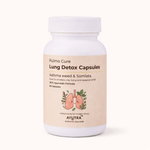
Ayutra PulmoCure — Ayurvedic Lung Detox Capsules
22 classical respiratory herbs — Tulsi, Vasaka, Mulethi, Pippali, Kantakari — in AYUSH-approved, WHO-GMP-certified capsules. Designed for India's urban respiratory environment: pollution, seasonal change, and daily lung resilience.
✓ AYUSH Approved✓ WHO-GMP Certified✓ 22 Herbs / ₹749
Shop PulmoCure → ₹749Frequently Asked Questions
Can Ayurvedic herbs support lung capacity?
Research on Vasaka, Pippali, and Tulsi has observed supportive effects on airway comfort and the body's response to oxidative stress. Pranayama combined with herbal support has been observed to support respiratory function in multiple studies. Long-term outcomes depend on consistency and overall lifestyle.
How long should I take an Ayurvedic lung supplement?
For general urban lung support, a 2–3 month course is a reasonable start. People with daily respiratory exposure (high-pollution cities, smokers transitioning to quit, post-viral recovery) often continue through winter and monsoon, when the respiratory system faces the most challenges.
What is the best Ayurvedic herb for pollution-exposed lungs?
Tulsi and Vasaka are the two most specific herbs traditionally used for urban pollution-related respiratory stress. Tulsi is traditionally used for antioxidant support; Vasaka is traditionally used to support clear airways. PulmoCure includes both at meaningful doses.
Is PulmoCure safe alongside asthma medication?
PulmoCure contains herbs with a respiratory support history, but asthma is a medical condition that requires clinical management. Consult your doctor before adding any supplement if you are on asthma medication.
What is the difference between PulmoCure and a cough syrup?
Cough syrup addresses an acute symptom. PulmoCure is a daily formulation designed to support long-term respiratory wellness — supporting Kapha balance, lung tissue health, and resilience to environmental stressors over time.
Disclaimer: This article is for informational and educational purposes only and is not intended to substitute professional medical advice, diagnosis, or treatment. Always consult a qualified healthcare provider or registered Ayurvedic practitioner before starting any new wellness regimen — especially if you are pregnant, nursing, taking medication, or have a pre-existing medical condition. Individual results may vary. Ayurvedic formulations support overall well-being and are not intended to diagnose, treat, cure, or prevent any disease.
-
Posted in
ayurveda, india, long-form, lung-health, pillar, pollution, Pranayama, pulmocure, respiratory, tulsi, urban India