Monsoon Hair Fall: Why It Happens & How to Stop It
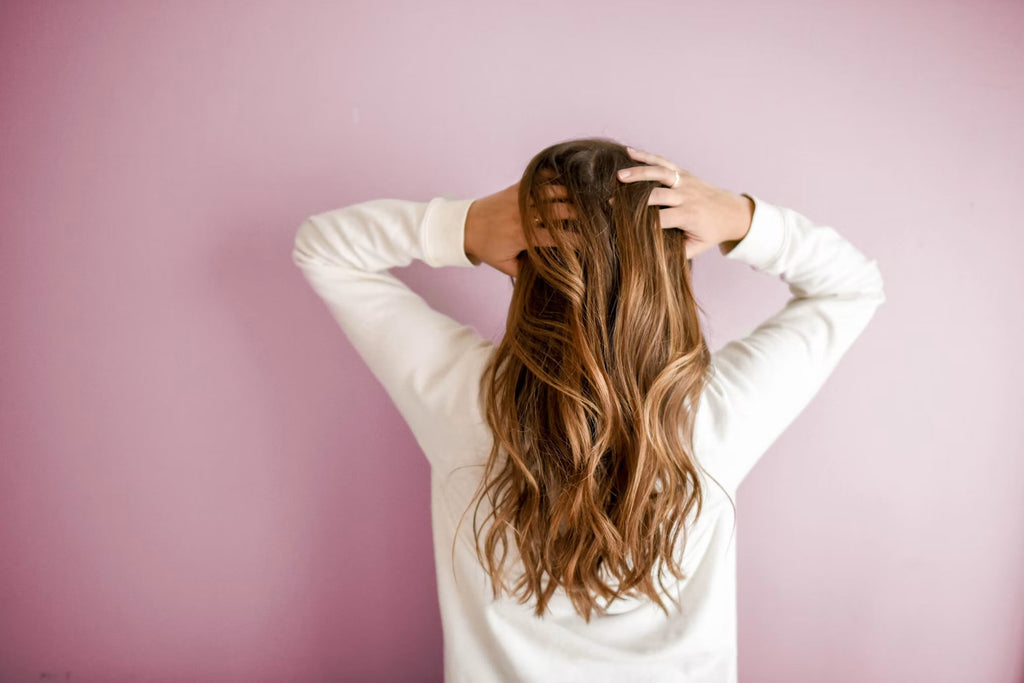
Getting caught in the rain now and then is fine — letting a damp scalp stay wet for hours is what drives monsoon shedding.
If you're finding more hair than usual on your comb and pillow once the rains set in, you're not imagining it. Monsoon hair fall is real — and in Ayurveda it has less to do with your hair and more with a damp, imbalanced scalp environment. Here's why shedding spikes in the rains, and a simple seasonal routine to bring it back under control.
Ask almost any salon or dermatologist and you'll hear the same thing: hair-fall complaints climb every monsoon. For a lot of people, daily shedding visibly increases within a few weeks of the first heavy rains — and then eases again once the weather dries out. That pattern is the biggest clue to what's actually going on.
In Ayurvedic terms, the rainy season is when Vata rises and the heavy, damp quality of Kapha settles into the scalp. Excess moisture (what the classics describe as aggravated kleda, क्लेद) leaves the scalp soggy, the roots weak, and the hair prone to letting go. Fix the scalp environment, and monsoon shedding usually settles on its own.
Monsoon hair fall is mostly about the scalp environment, not the hair shaft itself. Four things tend to stack up in the rainy season:
Why does hair fall increase during the monsoon?
- High humidity swells the hair shaft and weakens the cuticle, so strands snap and shed more easily.
- A damp, sweaty scalp stays moist for hours — the ideal setting for flaking, itch and an unhappy scalp.
- Rainwater is often acidic and mineral-heavy, leaving residue that dulls hair and irritates the roots.
- Seasonal dandruff flares as oil and moisture build up, and an itchy, inflamed scalp loosens hair.
On top of this, many people sweat more and wash less carefully in the rains, letting oil and product build up at the roots — exactly the conditions an already-aggravated scalp doesn't need.
How do I know if my monsoon hair fall is scalp-related?
Scalp-driven, seasonal shedding usually looks like diffuse thinning all over — more strands on your pillow, comb and shower drain — often alongside an itchy, flaky or oily scalp. It typically settles as the weather dries out.
By contrast, patchy bald spots, a sharply receding hairline, or shedding that keeps worsening for months is worth getting checked by a doctor or dermatologist, because that may point to something beyond the season.
How to protect your hair in the monsoon
A consistent, scalp-first routine matters more than any single product. The essentials:
- Wash 2–3 times a week with a gentle, sulphate-free shampoo. Don't skip washes just because it's humid — a clean scalp sheds less.
- Never tie or sleep on wet hair. Damp, bound hair traps moisture against the scalp and is far more prone to breakage. Dry it gently first.
- Pat dry, don't rub. Vigorous towel-drying roughens the cuticle; blot with a soft towel or an old cotton tee.
- Rinse off rainwater soon. If you've been caught in the rain, do a plain-water rinse and dry your scalp rather than letting residue sit.
- Comb gently, only when mostly dry, with a wide-tooth comb to avoid tugging swollen, fragile strands.
- Eat for your roots. Protein, iron and zinc-rich foods support normal hair growth — useful year-round, monsoon included.
Should you oil your hair in the monsoon?
Yes, but lightly and before washing — not as an overnight leave-in. A short pre-wash oil massage (30–60 minutes) supports the scalp and loosens buildup, then gets washed away. Heavy overnight oiling in humid weather can trap sweat and moisture against an already-damp scalp and worsen flaking. Keep it light, keep it pre-wash, and always follow with a proper cleanse.
Which Ayurvedic ingredients support a monsoon scalp?
Classical Ayurvedic hair care leans on herbs traditionally used to keep the scalp clean, balanced and comfortable through a damp season:
- Neem — traditionally valued for keeping the scalp clean and balanced in humid conditions.
- Bhringraj (भृंगराज)— the classic "king of hair" herb, used to nourish the roots and support healthy-looking hair.
- Methi (fenugreek) — used to soothe and condition a flaky, itchy scalp.
- Hibiscus & Tulsi — traditionally used to support scalp freshness and strong roots.

Hibiscus, neem, methi and bhringraj — the classical hair herbs Ayurveda turns to for a balanced monsoon scalp.
A simple 2-week monsoon hair routine
You don't need a shelf of products. Try this for two weeks:
Every wash day (2–3× a week):
- Light pre-wash oiling, 30–60 minutes, then cleanse with a gentle sulphate-free shampoo
- Condition mid-lengths to ends; rinse with the softest water you have
Daily:
- Keep the scalp dry — don't sit around in damp hair after rain or a workout
- Wide-tooth comb only when hair is mostly dry
- Protein, iron and zinc on the plate; enough water through the day
Most people notice less breakage and a calmer scalp within a week or two of staying consistent.
When should you see a doctor?
Some shedding in the monsoon is normal. But see a doctor or dermatologist if you notice patchy or bald spots, a persistently inflamed or painful scalp, sudden heavy loss, or shedding that continues to worsen beyond the season. Ayurvedic scalp care supports everyday hair health; it isn't a substitute for medical evaluation when something looks off.
When to switch to a gentler, sulphate-free shampoo
If your current shampoo leaves your scalp tight, squeaky or flaky — especially in the monsoon — harsh sulphates may be stripping it and triggering more oil and irritation in response. Switching to a gentle, sulphate- and paraben-free Ayurvedic wash is one of the simplest changes that helps a monsoon scalp. The herbs do the work; a clean, non-stripping base just lets them.
Recommended for Monsoon Scalp Care
Ayutra Rinse & Repair — Ayurvedic Shampoo with Conditioner
A sulphate- and paraben-free Ayurvedic shampoo with Bhringraj, Neem, Methi and Tulsi — formulated to cleanse buildup gently and support a balanced, comfortable scalp through the humid season, without stripping.
✓ Sulphate-Free✓ Paraben-Free✓ 250ml / ₹849
Shop Rinse & Repair → ₹849Frequently Asked Questions
Why does hair fall increase in the monsoon?
Humidity, a damp and sweaty scalp, mineral-heavy rainwater and seasonal dandruff combine to weaken roots and increase breakage. It's usually temporary and scalp-related, and eases as the weather dries.
How often should I wash my hair in the monsoon?
Aim for 2–3 gentle washes a week with a sulphate-free shampoo. A clean scalp sheds less — don't skip washes just because the air feels humid.
Should I oil my hair during the rainy season?
Yes, but keep it light and pre-wash (30–60 minutes), then cleanse it out. Avoid heavy overnight oiling, which can trap moisture against a damp scalp and worsen flaking.
Is it bad to tie or sleep on wet hair in monsoon?
Yes. Wet, bound hair traps moisture against the scalp and breaks more easily. Dry your hair gently before tying it or going to bed.
When is monsoon hair fall a reason to see a doctor?
If you see patchy bald spots, a persistently inflamed scalp, sudden heavy loss, or shedding that keeps worsening beyond the season, get it checked by a doctor or dermatologist.
Disclaimer: This article is for educational and informational purposes and reflects traditional Ayurvedic understanding alongside general wellness guidance. It is not a substitute for medical advice. Consult a qualified Ayurvedic practitioner or your physician for personalised guidance, especially if you have an existing condition. Ayurvedic hair care supports overall scalp and hair well-being and is not intended to diagnose, treat, cure, or prevent any disease.